
What is Deceptive Sexuality Trauma?
Deceptive sexuality trauma is a framework developed by Dr. Omar Minwalla to describe the complex trauma experienced by individuals who have been subjected to ongoing sexual deception, manipulation, integrity abuse, and relational betrayal.
In this model, the trauma is not viewed as being caused solely by sexual behavior itself.
The trauma comes from:
ongoing deception
hidden sexual realities
long term patterns of gaslighting
persistent manipulation
violations of consent
emotional abuse
and the complete collapse of relational safety
In other words: the injury is relational.
Many betrayed partners were unknowingly living inside a false reality. Their ability to make informed decisions about their relationship, emotional safety, sexual health, and life was compromised. They didn’t have all the information.
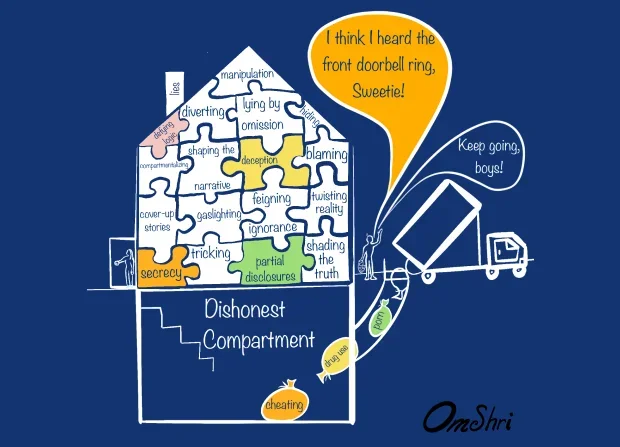
Photo taken from Dr. Omar Minwalla’s website
Why This Model?
Many traditional approaches have historically framed problematic sexual behavior primarily through an addiction lens. While addiction models may resonate with some, many betrayed partners have felt harmed or overlooked when the focus becomes:
managing urges
relapse prevention
or viewing betrayal primarily as compulsive behavior
The deceptive sexuality trauma model shifts the focus toward:
integrity
accountability
relational abuse
and the impact on the betrayed partner
This framework recognizes that betrayal trauma symptoms are often adaptive responses to prolonged relational harm.
Common Symptoms of Deceptive Sexuality Trauma
Partners experiencing deceptive sexuality trauma may experience symptoms similar to post-traumatic stress. Though there is nothing “post” about the trauma. It’s happening now. These can include:
hypervigilance
intrusive thoughts
obsessive searching for information
panic attacks
sleep disturbances
emotional flooding
difficulty concentrating
loss of self-trust
nervous system dysregulation
intense fear or confusion
So if you’re asked, “Why can’t you just move on?”
Remember that you are in the middle of trauma. And these responses are the nervous system’s need to regain safety after prolonged unpredictability.
The Role of Integrity Abuse
What makes this model different is this concept: integrity abuse.
Integrity abuse refers to patterns of deception, manipulation, concealment, entitlement, blame-shifting, and reality distortion that violate relational trust and emotional safety.
These behaviors include:
lying
minimizing
trickle-truth
secret accounts or devices
gaslighting
hiding spending
denying obvious realities
or manipulating a partner’s perception of events
Over time, these experiences can profoundly impact a person’s ability to feel emotionally grounded and safe.
Why Betrayed Partners Often Feel “Crazy”
One of the most painful parts of betrayal trauma is that many partners sensed something was wrong long before discovery but were told not to believe their intuition over and over again. They may have noticed:
emotional distance
inconsistencies
defensiveness
secrecy
changes in intimacy
But when concerns are repeatedly denied or minimized, partners begin seriously doubting their own instincts and reality.
One reason many betrayed partners describe feeling emotionally disoriented after discovery is that they are not only grieving the betrayal itself, but also the collapse of the reality they believed they were living in.
Healing Is About More Than Stopping Behaviors
In the deceptive sexuality trauma framework, healing is not simply about stopping problematic sexual behaviors.
Healing requires honesty, accountability, transparency, and true relational justice repair.
For betrayed partners, healing also often involves trauma support, rebuilding self-trust, establishing boundaries, and processing the impact of the betrayal.
This work is often deeper and more complex than many people initially realize.
If any of what Deceptive Sexuality Trauma addresses resonates with you- you’re not alone. Many betrayed partners find that this way of approaching treatment fills in the gaps of others perspectives they have heard.
Many betrayed partners have spent years believing they were “too emotional,” “too sensitive,” or somehow responsible for the instability they were experiencing.
Having language for the harm matters. Naming emotional abuse matters.
Understanding betrayal through a trauma-informed lens is an important first step toward clarity, safety, and healing.